Future-Proof Your Retail Business: Strategic Blueprint for Lasting Success
Future proof retail business strategies center on building adaptive capacity through technology integration, supply chain resilience, and customer-centric operations that position companies ahead of market disruptions. The retail landscape demands comprehensive transformation as 84% of retail executives identify digital advancement as crucial for organizational survival within five years, while nearly one-third of retail CEOs acknowledge their current business models won’t remain viable without significant changes.
I’ve witnessed firsthand how retail businesses across every sector struggle with the same fundamental challenge: balancing immediate operational demands with long-term strategic investments. Over my 20 years leading Complete Controller and working with thousands of small to mid-sized businesses, I’ve seen companies rise and fall based on their willingness to adapt. The retailers who thrive share one common trait—they invest in building systems and capabilities before they need them, not after disruption hits. This article provides a strategic roadmap based on proven transformation patterns, cutting-edge research showing AI can boost revenue by 15% while reducing costs by similar margins, and practical implementation strategies that work for businesses of any size.

What does it mean to future proof retail business operations?
- Future proof retail business means creating adaptive systems that thrive regardless of market disruptions through technology, resilience, and customer focus
- Technology integration includes AI-powered operations that reduce forecasting errors by 50% and automation systems that cut operational costs
- Supply chain resilience involves diversification strategies, local sourcing initiatives, and real-time monitoring capabilities across vendor networks
- Customer-centric operations demand seamless omnichannel experiences that increase revenue by 23% compared to single-channel approaches
- Financial planning requires balancing immediate needs with strategic investments while maintaining cash flow buffers for unexpected challenges
Building Technology Foundations for Retail Transformation
Retail digital transformation represents a $305 billion global market in 2024, projected to reach $859.5 billion by 2030 with an 18.8% compound annual growth rate. This explosive growth reflects widespread recognition that technology adoption drives both revenue increases and cost reductions across retail operations.
AI implementation delivers measurable financial impact, with 69% of retailers reporting revenue increases—28% seeing 5-15% gains and another 15% experiencing growth above 15%. Cost reduction benefits prove equally compelling as 72% of AI-using retailers report decreased operating expenses, with similar percentage breakdowns for savings ranges.
Core technology investments
- Predictive analytics for demand forecasting and inventory optimization
- Automated checkout systems and robotic warehouse operations
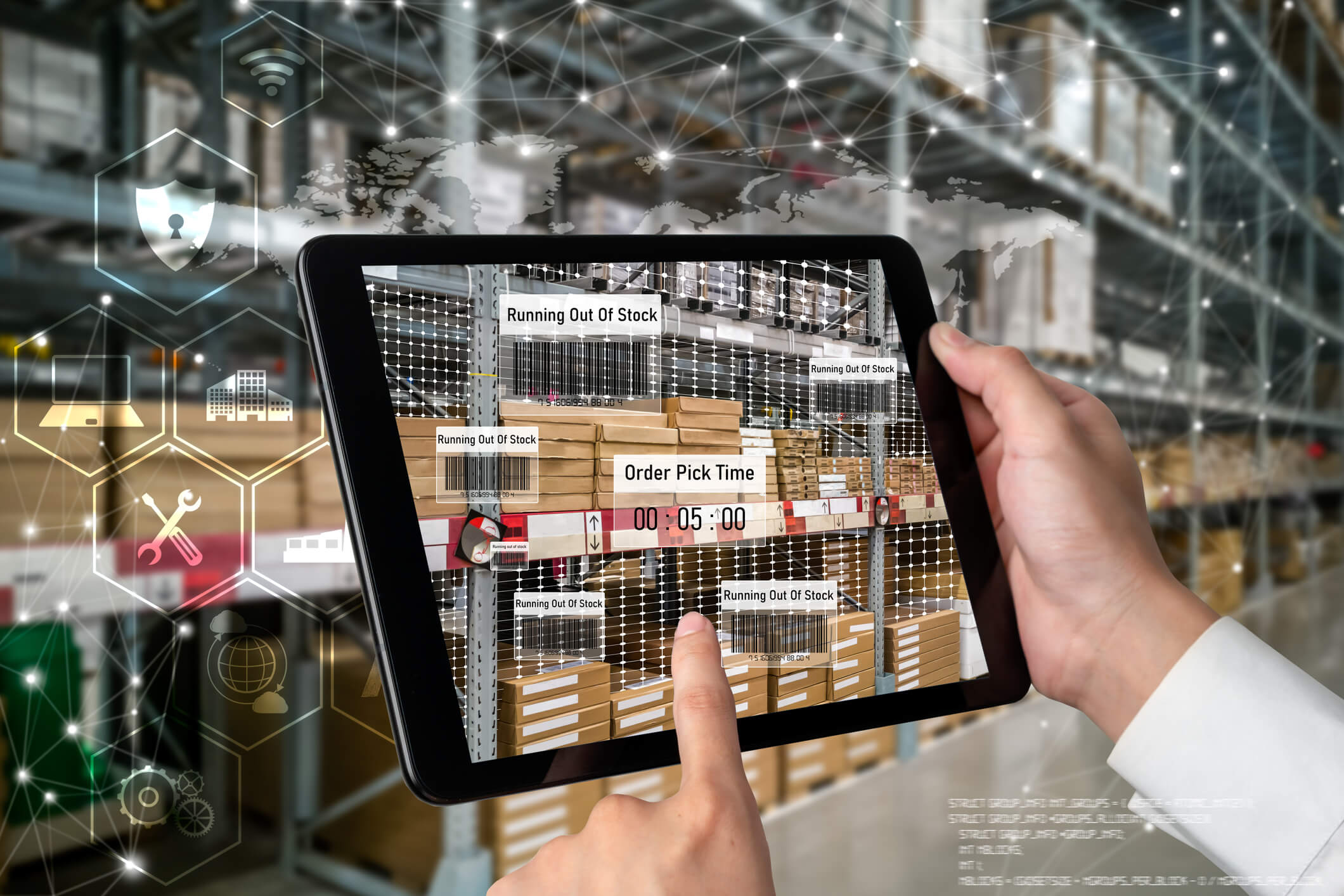
- IoT sensors for real-time inventory tracking and customer behavior monitoring
- Cloud-based platforms enabling scalable operations and remote management
- Integrated point-of-sale systems connecting physical and digital channels
Machine learning algorithms continuously improve accuracy by processing transactional data, customer interactions, and market signals. These systems identify patterns human analysts miss while adapting to changing conditions automatically. IoT trends shaping retail demonstrate how connected devices create unprecedented visibility into operations.
Mastering Omnichannel Integration for Revenue Growth
Omnichannel strategies generate 23% higher revenue growth compared to single-channel retail approaches, with 86% of customers willing to pay up to 25% premium pricing for superior cross-channel experiences. This financial advantage stems from meeting customers wherever they choose to shop while maintaining consistent service quality.
Successful omnichannel execution requires breaking down operational silos between online and offline channels. Inventory systems must synchronize across all touchpoints, enabling features like buy-online-pickup-in-store and real-time availability checking. Customer data integration allows sales associates to access complete purchase histories regardless of channel origin.
Essential omnichannel components
- Unified inventory management across all sales channels
- Consistent pricing and promotional strategies
- Integrated customer profiles accessible by all team members
- Mobile-responsive platforms supporting seamless device transitions
- Cross-channel fulfillment options maximizing convenience
Technology infrastructure supporting these capabilities must handle complex data synchronization while maintaining performance during peak demand periods. API integrations connect disparate systems automatically, reducing manual processes and improving accuracy across operations.
Strengthening Financial Resilience Through Strategic Planning
Financial management extends beyond traditional accounting into strategic territory where money management principles determine long-term viability. Cash flow optimization becomes critical during growth phases or market volatility when seasonal fluctuations strain working capital.
Investment prioritization requires evaluating potential returns against implementation complexity and strategic alignment. Technology investments often demand significant upfront costs but deliver compounding benefits over time through efficiency gains and competitive advantages.
Employee turnover represents a hidden financial drain, costing retailers approximately $10,000 per departure—$4,000 in recruitment, $2,500 in training, and $3,500 in productivity losses. For mid-sized retailers with typical 60% annual turnover rates, this equals $600,000 in preventable annual costs.
Strategic financial priorities
- Build cash reserves covering 3-6 months of operating expenses
- Diversify revenue streams across products, channels, and customer segments
- Invest in employee retention through competitive compensation and development programs
- Balance technology investments with measurable ROI expectations
- Implement robust financial tracking systems monitoring key performance indicators
Risk management protects against supply chain disruptions, cyber security threats, and competitive pressures through diversification and contingency planning. Insurance coverage, emergency funds, and flexible credit facilities provide buffers against unexpected events.

Creating Supply Chain Resilience and Operational Excellence
Supply chain resilience emerged as competitive necessity following recent global disruptions, with 46.2% of UK retailers investing in network strengthening through diversification and monitoring technologies. These investments protect against future disruptions while potentially reducing costs through optimized operations.
A comprehensive European study involving seven major retailers demonstrated that improving inventory accuracy delivers 4-8% sales increases. This research analyzed one million SKUs across 100 stores, proving that operational excellence directly translates into revenue growth.
Supply chain optimization strategies
- Develop relationships with multiple suppliers for critical products
- Implement geographic diversification across different regions
- Invest in local sourcing to reduce complexity and delivery times
- Deploy real-time monitoring systems tracking shipments and conditions
- Create automated replenishment systems responding to demand changes
Multi-echelon inventory optimization determines ideal stock levels across entire networks rather than individual locations. These models consider transportation costs, service requirements, and demand variability to minimize total system costs while maintaining target service levels.
Advanced inventory management and demand forecasting
AI-driven demand forecasting reduces inventory holding costs while improving product availability through sophisticated pattern recognition. These systems analyze historical sales data, market trends, seasonal patterns, and external factors influencing customer demand.
Dynamic replenishment automatically generates purchase orders based on real-time data, responding faster than manual processes while reducing human error. Integration with supplier systems enables automated order processing and coordinated delivery scheduling.
Seasonal and promotional demand requires specialized forecasting approaches accounting for irregular patterns and new product introductions. Machine learning algorithms identify subtle patterns improving accuracy for challenging situations. Collaborative planning with suppliers and key customers enhances forecast reliability through information sharing.
Implementing Performance Metrics and Continuous Improvement
Key performance indicators provide essential feedback on business health and strategic progress. Financial metrics including gross margins, inventory turnover, and same-store sales growth indicate operational efficiency and market performance.
Customer-focused metrics reveal relationship quality through lifetime value calculations, retention rates, and net promoter scores. These indicators correlate with long-term financial performance more strongly than short-term sales figures. Advanced analytics enable detailed segmentation identifying improvement opportunities.
Critical retail KPIs
- Customer acquisition cost and lifetime value ratios
- Inventory turnover rates by product category
- Employee productivity and retention metrics
- Digital engagement rates across channels
- Supply chain reliability and cost efficiency measures
Operational metrics tracking order fulfillment speed, inventory accuracy, and service quality indicate internal efficiency. Regular monitoring enables quick problem identification and corrective action implementation before customer experience suffers.
Digital metrics including conversion rates, mobile usage patterns, and social engagement reflect online presence effectiveness. Integration between digital and physical metrics provides comprehensive customer journey visibility supporting data-driven decision making.
Taking Action: Your Retail Transformation Roadmap
Building a future-proof retail business requires commitment to continuous adaptation and strategic investment across technology, operations, and human capital. Success depends on implementing integrated strategies rather than pursuing isolated initiatives.
Start by assessing your current capabilities against industry benchmarks, identifying gaps requiring immediate attention versus longer-term development areas. Prioritize investments delivering quick wins while building toward comprehensive transformation.
Marketing strategies supporting growth complement operational improvements by attracting and retaining customers throughout your transformation journey. Balance customer acquisition with retention initiatives maximizing lifetime value.
Your retail business faces unprecedented challenges but equally significant opportunities. Companies willing to invest in building adaptive capacity today position themselves for sustained success regardless of future disruptions. The question isn’t whether to transform but how quickly you can implement changes maintaining competitive relevance.
Ready to accelerate your retail transformation with expert financial guidance? Connect with the Complete Controller team to discover how our comprehensive business solutions support your growth objectives while maintaining operational excellence.

Frequently Asked Questions About Future Proof Retail Business
What technologies should small retailers prioritize when starting their future-proofing journey?
Small retailers should focus first on cloud-based point-of-sale systems integrating inventory management and basic customer relationship capabilities. These foundational technologies cost less than $200 monthly while providing immediate benefits through improved accuracy and customer insights. Next priorities include e-commerce platforms and social media management tools enabling omnichannel presence without massive infrastructure investments.
How much should retailers budget for digital transformation initiatives?
Industry benchmarks suggest allocating 3-5% of annual revenue toward technology investments, though this varies by current digitalization levels and competitive pressures. Retailers significantly behind digital adoption may need 7-10% investment rates initially. Focus spending on solutions delivering measurable ROI within 12-18 months while building toward longer-term transformation goals.
What are the biggest mistakes retailers make when implementing omnichannel strategies?
The most common mistake involves treating channels as separate businesses rather than integrated customer touchpoints. This creates inconsistent pricing, conflicting promotions, and frustrating customer experiences. Other critical errors include underestimating staff training requirements, failing to integrate inventory systems properly, and measuring channel performance independently rather than evaluating total customer value across all touchpoints.
How can retailers improve employee retention without significantly increasing labor costs?
Focus on non-monetary benefits including flexible scheduling, skill development opportunities, and performance recognition programs. Create clear advancement paths showing employees how to progress within your organization. Implement mentorship programs pairing experienced staff with newcomers. These strategies often prove more effective than wage increases alone while building stronger organizational culture and reducing the $10,000 per-employee turnover cost.
What supply chain diversification strategies work best for small to mid-sized retailers?
Start by identifying your most critical products representing highest sales volumes or margins, then develop secondary supplier relationships for these items. Join buying cooperatives or industry associations providing access to vetted supplier networks. Consider regional suppliers offering shorter lead times and transportation savings. Implement simple supplier scorecards tracking delivery performance, quality metrics, and pricing competitiveness to guide diversification decisions.
Sources
- Globe Newswire. (2025, February 12). “Retail Digital Transformation Industry Opportunities and Growth Analysis 2025-2030.” www.globenewswire.com
- NVIDIA. (2024). “State of AI in Retail and CPG: 2024 Trends – Survey Report.” www.nvidia.com/retail-ai-report
- ECR Community. (2023). “Measuring the Sales Impact of Improving Inventory Records.” www.ecr-community.org
- Complete Controller. “IoT Trends That Could Shape Manufacturing in 2021.” www.completecontroller.com/iot-trends-that-could-shape-manufacturing-in-2021/
- Complete Controller. “5 Money Management Tips to Help Avoid a Deficit.” www.completecontroller.com/5-money-management-tips-to-help-avoid-a-deficit/
- Complete Controller. “5 Essential Marketing Strategies to Help Grow Your Business.” www.completecontroller.com/5-essential-marketing-strategies-to-help-grow-your-business/
- TruRating. (2025, May 1). “Employee Turnover in Retail.” www.trurating.com
- Magenest. (2024, June 25). “Omnichannel Retail Statistics: Current State and Future.” www.magenest.com
- U.S. Small Business Administration. www.sba.gov
- Wikipedia. “Artificial Intelligence.” https://en.wikipedia.org/wiki/Artificial_intelligence
- Wikipedia. “Supply Chain Management.” https://en.wikipedia.org/wiki/Supplychainmanagement
- McKinsey & Company. (2024). “The Future of Retail Operations: 2024 and Beyond.” www.mckinsey.com
- Retail Industry Leaders Association. (2024). “Supply Chain Resilience Report.” www.rila.org
- Harvard Business Review. (2024). “The State of AI in Retail.” www.hbr.org
- Deloitte. (2024). “Retail Financial Management Best Practices.” www.deloitte.com
- Gartner. (2024). “Retail Technology Investment Priorities.” www.gartner.com
- IBM. (2024). “AI in Retail: Implementation Guide.” www.ibm.com
- Forrester Research. (2024). “The Future of Retail Technology.” www.forrester.com
- British Retail Consortium. (2024). “UK Retail Supply Chain Survey.” www.brc.org.uk
 About Complete Controller® – America’s Bookkeeping Experts
 Complete Controller is the Nation’s Leader in virtual bookkeeping, providing service to businesses and households alike. Utilizing Complete Controller’s technology, clients gain access to a cloud platform where their QuickBooks™️ file, critical financial documents, and back-office tools are hosted in an efficient SSO environment. Complete Controller’s team of certified US-based accounting professionals provide bookkeeping, record storage, performance reporting, and controller services including training, cash-flow management, budgeting and forecasting, process and controls advisement, and bill-pay. With flat-rate service plans, Complete Controller is the most cost-effective expert accounting solution for business, family-office, trusts, and households of any size or complexity.