


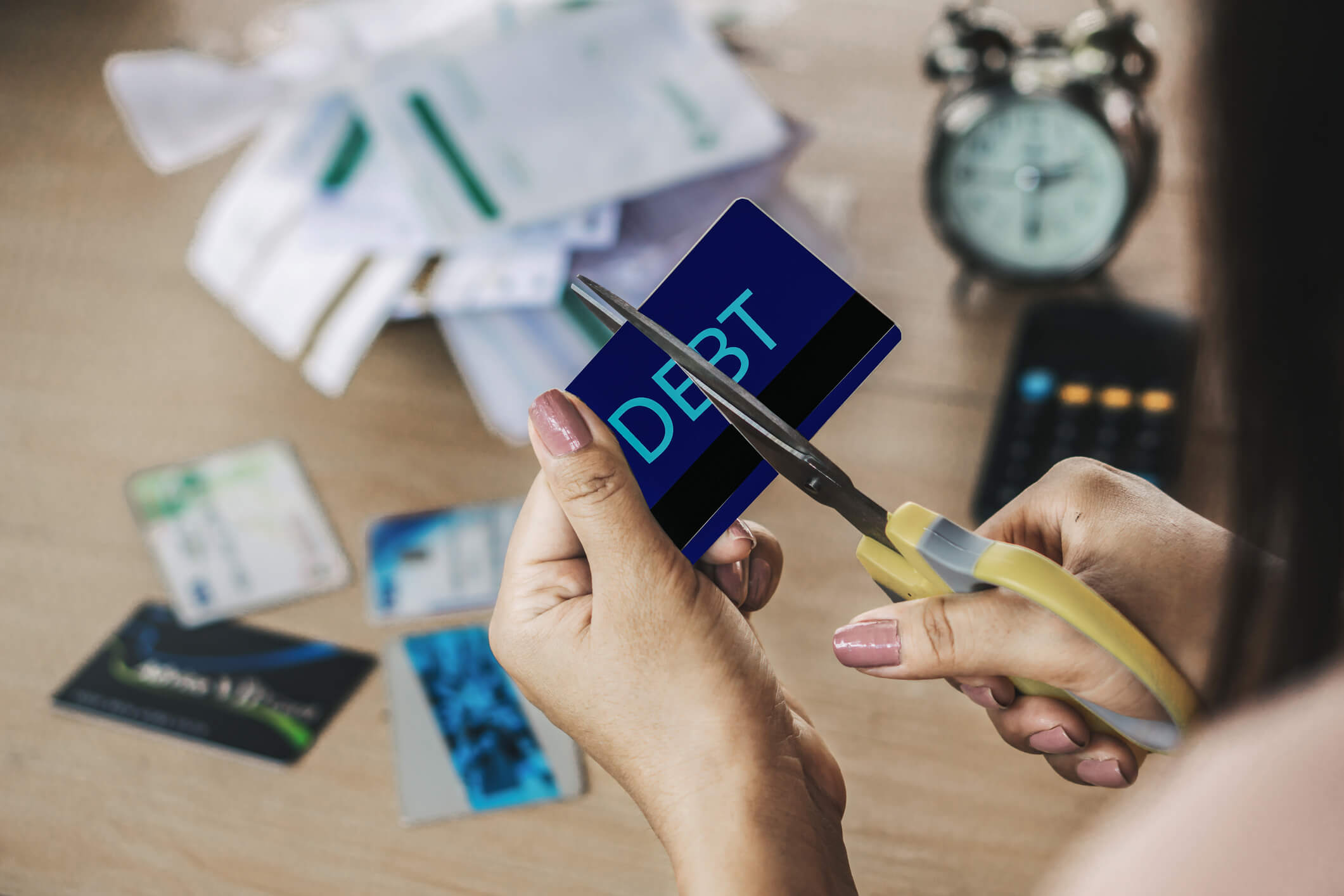
Effective Debt Relief Strategies to Regain Financial Control
Debt-relief strategies include consolidation, budgeting, creditor negotiation, and leveraging technology to reduce balances and restore financial stability. These proven methods help individuals and businesses eliminate high-interest debt while rebuilding credit scores and creating sustainable financial habits.
I’ve spent over 20 years as CEO of Complete Controller working with businesses drowning in debt, and I’ve witnessed firsthand how the right strategies transform financial chaos into clarity. Total U.S. credit card debt has skyrocketed from $833.8 billion in 2014 to $1.16 trillion in 2024—a staggering 39% increase that shows millions of Americans need practical solutions now more than ever. This guide reveals the exact methods our clients use to break free from debt cycles, including consolidation techniques that improve credit scores by 20+ points for 68% of users, negotiation tactics that slash principal balances by up to 50%, and AI-powered tools that automate repayment plans for maximum efficiency.

What are effective debt relief strategies to regain financial control?
- Core strategies: Debt consolidation, budget creation, creditor negotiation, income leverage, AI automation, long-term planning
- Debt consolidation combines multiple high-interest debts into single lower-rate payments through HELOCs, balance transfers, or personal loans
- Budget creation tracks income versus expenses while building emergency funds to prevent future debt accumulation
- Creditor negotiation reduces interest rates, waives fees, or settles debts for less than full amounts owed
- Income leverage applies windfalls like tax refunds, bonuses, and side hustle earnings directly to debt principal
Debt Consolidation: Your Path to Lower Interest Rates
The average American carries $6,730 in credit card debt as of 2024, paying interest rates between 18-29% annually. Consolidation transforms these scattered high-interest obligations into manageable payments at significantly lower rates.
Balance transfer cards offer 0% introductory APRs for 12-21 months, giving you breathing room to pay down principal without accruing interest. HELOCs (home equity lines of credit) provide even lower rates—typically 7-9%—for homeowners with sufficient equity. Personal debt consolidation with personal lines of credit from banks or credit unions average 10-15% for borrowers with good credit.
Choosing the right consolidation method
- Balance transfer cards work best for debts under $15,000 with excellent credit (700+ score)
- HELOCs suit homeowners with 20%+ equity needing to consolidate $30,000+ in debt
- Personal loans help those with fair credit (650-699) consolidate $5,000-$50,000
- Debt management plans through credit counseling agencies negotiate lower rates without new loans
TransUnion research confirms that 68% of consumers who consolidate see credit score improvements of 20+ points within six months. The key lies in selecting the right tool for your specific situation and maintaining discipline to avoid accumulating new debt during repayment.
Creating a Budget That Actually Works
The median U.S. emergency fund sits at just $8,742 in 2025—far below the recommended $35,217 needed to cover six months of expenses. This gap explains why unexpected costs push so many into debt cycles.
Start by documenting every dollar flowing in and out for 30 days. Apps like Mint or YNAB automate tracking, but a simple spreadsheet works equally well. Apply the 50/30/20 framework: allocate 50% to needs (housing, utilities, minimum debt payments), 30% to wants (entertainment, dining), and 20% to savings and extra debt payments.
Emergency fund building while in debt
Building reserves while paying down debt seems counterintuitive, but money management tips to help avoid a deficit show that even $1,000 prevents most financial emergencies from derailing progress. Start with $500 as your initial goal—achievable by cutting discretionary spending for 2-3 months.
- Save $20 weekly by brewing coffee at home instead of buying
- Cancel unused subscriptions (average American has 4 forgotten subscriptions)
- Sell unused items through Facebook Marketplace or eBay
- Direct deposit $50 per paycheck into a separate savings account
Budgeting for financial health becomes automatic once these habits take root. Clients who maintain budgets post-debt elimination report 73% lower chances of returning to debt within five years.
Negotiating with Creditors: Strategies That Work
Credit card companies write off billions in bad debt annually, making them surprisingly willing to negotiate when approached professionally. Direct negotiation saves the 25-35% fees charged by debt settlement companies while achieving similar results.
Contact creditors before missing payments for maximum leverage. Request hardship programs that temporarily reduce interest rates to 0-9% for 6-12 months. Many issuers offer these unpublicized programs to customers experiencing job loss, medical issues, or other financial hardships.
Settlement negotiation tactics
Settlement involves paying less than the full balance to close accounts. Creditors typically accept 40-60% of the original debt when accounts are 90+ days delinquent. A resident physician recently consolidated $600,000 in student loans using federal forgiveness rules, demonstrating how policy knowledge amplifies negotiation power.
- Document all conversations with date, time, representative name, and agreement details
- Request written confirmation before making any payments
- Negotiate removal of negative credit reporting as part of settlement
- Consider credit counseling and debt management strategies for structured plans
Kathy, a teacher drowning in $40,000 of credit card debt, worked with a nonprofit credit counselor to create a debt management plan. Her interest rates dropped from 24% to 8%, allowing full repayment within three years while rebuilding her credit score from 580 to 720.
Stop white-knuckling your finances. Complete Controller helps you build a debt relief strategy you can actually stick to.

Leveraging Income Opportunities for Faster Payoff
The average tax refund exceeds $3,000, yet most Americans spend these windfalls on discretionary purchases rather than debt reduction. Strategic income leverage accelerates payoff timelines dramatically.
Apply every dollar of unexpected income directly to your highest-interest debt. This includes tax refunds, work bonuses, stimulus payments, insurance settlements, and gift money. The psychological impact of seeing balances drop motivates continued progress.
Side hustle selection for debt elimination
Modern gig economy platforms make earning extra income more accessible than ever. Choose side hustles matching your existing skills for immediate income generation without lengthy learning curves.
- Freelance writing pays $50-200 per article for experienced writers
- Food delivery driving generates $15-25 hourly during peak times
- Online tutoring earns $20-60 hourly for subject matter experts
- Virtual assistance provides $15-40 hourly with flexible scheduling
Debt settlement options become unnecessary when aggressive income strategies reduce principal balances quickly. One client paid off $25,000 in credit card debt within 18 months by dedicating Uber earnings exclusively to debt payments.
AI and Automation: The Future of Debt Management
Artificial intelligence transforms debt collection and management through predictive analytics and personalized communication strategies. These tools identify optimal payment schedules, predict default risks, and automate reminder systems.
Modern debt consolidation strategies incorporate AI-powered apps that analyze spending patterns and automatically transfer funds to savings or debt payments. Platforms like Digit and Qapital use algorithms to identify “safe to save” amounts without impacting daily expenses.
Implementing automated debt systems
- Set automatic minimum payments to avoid late fees and credit damage
- Use round-up apps to apply spare change toward debt principal
- Schedule bi-weekly half-payments to reduce interest accumulation
- Enable balance alerts to prevent overspending
AI chatbots now handle initial creditor negotiations, gathering account information and proposing settlement terms based on historical success patterns. While human oversight remains essential for complex cases, automation handles routine communications efficiently.
Long-Term Financial Planning Beyond Debt Freedom
Debt elimination marks the beginning, not the end, of financial transformation. Maintaining momentum requires systematic approaches to wealth building and protection against future crises.
Monitor credit reports monthly through free services like Credit Karma or annualcreditreport.com. Dispute errors immediately—25% of reports contain mistakes significant enough to impact lending decisions. Build positive payment history through secured credit cards or authorized user arrangements on established accounts.
Creating sustainable financial habits
Post-debt financial planning centers on three pillars: income growth, expense optimization, and investment discipline. Redirect former debt payments toward retirement accounts, taking advantage of employer matching and compound interest.
- Increase 401(k) contributions by 1% every six months
- Open high-yield savings accounts for short-term goals
- Invest in low-cost index funds for long-term growth
- Consider term life insurance to protect dependents
Education drives lasting change. Free resources from nonprofits, community colleges, and online platforms provide ongoing financial literacy development. Complete Controller clients who participate in quarterly financial reviews maintain debt-free status at rates 85% higher than those who disengage after debt elimination.
Conclusion
Breaking free from debt requires strategic action, not wishful thinking. Whether you choose consolidation, negotiation, or automated solutions, success depends on consistent implementation and professional guidance. I’ve watched thousands of entrepreneurs and individuals transform their financial futures using these exact strategies, proving that anyone can overcome even overwhelming debt with the right approach.
Take the first step today by listing all debts with balances, interest rates, and minimum payments. Choose one strategy from this guide and implement it this week. The team at Complete Controller stands ready to provide personalized guidance for your unique situation. Visit Complete Controller to discover how our cloud-based financial services help you implement these debt relief strategies while building sustainable business growth.

FAQ
How do I get out of debt quickly when living paycheck to paycheck?
Start with the debt avalanche method—pay minimums on all debts while attacking the highest interest rate first. Simultaneously, earn extra income through gig work (even $200 monthly accelerates progress) and negotiate with creditors for reduced rates. Most importantly, build a $500 emergency fund to prevent new debt from unexpected expenses.
What are the best debt relief services for people with low income?
Nonprofit credit counseling agencies approved by the National Foundation for Credit Counseling offer free consultations and low-cost debt management plans. Avoid for-profit debt settlement companies charging upfront fees. Government programs like income-driven student loan repayment and utility assistance programs provide additional relief without damaging credit.
Should I choose debt consolidation or debt settlement?
Choose consolidation if you have steady income and can afford monthly payments at reduced interest rates—this preserves credit scores while simplifying repayment. Select settlement only for severe hardship when you cannot maintain minimum payments, understanding it damages credit for 7 years but eliminates debt for 40-60% of original balances.
How much does debt relief hurt my credit score?
Debt consolidation through new loans causes temporary 5-10 point drops from hard inquiries but improves scores long-term through lower utilization. Settlement drops scores 100-150 points initially but allows rebuilding after accounts close. Bankruptcy impacts scores 200+ points for 7-10 years. Credit counseling DMPs may note “managed by credit counseling” but don’t inherently lower scores.
What alternatives to bankruptcy should I try first?
Exhaust these options before bankruptcy: debt management plans through credit counseling (reducing rates while paying full balances), debt consolidation loans or balance transfers, negotiated settlements with creditors, hardship payment plans, and selling assets to pay debts. Consider Chapter 13 bankruptcy only after attempting these alternatives for 6-12 months without success.
Sources
- Experian. (March 12, 2025). “Average Credit Card Debt Increases 3.5% to $6,730 in 2024.” Chris Horymski. https://www.experian.com/blogs/ask-experian/state-of-credit-cards/
- TransUnion Newsroom. (2025). “Debt Consolidation Often Results in Higher Credit Scores.” https://newsroom.transunion.com/debt-consolidation-often-results-in-higher-credit-scores-and-better-credit-performance/
- CBS News. (May 13, 2025). “Most Effective Debt Relief Strategies.” https://www.cbsnews.com
- WVU Extension. (April 1, 2025). “Smart Strategies for Debt Management.” https://www.wvu.edu
- Bankruptcy-Law-Seattle. (January 4, 2025). “2025 Tips to Avoid Bankruptcy.” https://bankruptcy-law-seattle.com
- NCRi. (January 10, 2025). “Top 10 Debt Collection Strategies.” https://ncri.com
- National Debt Relief. (April 14, 2025). “How to Take Control of Debt.” https://www.nationaldebtrelief.com
- Investopedia. (May 5, 2025). “Your Emergency Fund Should Be $35,000. Here’s Why.” Hiranmayi Srinivasan. https://www.investopedia.com/your-emergency-fund-should-be-usd35-000-here-s-why-11725755
- WisMed Assure. (December 6, 2023). “Consolidation Leads to $600,000 Student Loan Forgiveness.” Mark Ziety. https://wismedassure.org/fyinsurance/consolidation-leads-to-600000-student-loan-forgiveness-a-case-study/
- Money Management International. (February 1, 2018). “Kathy’s Story.” https://www.moneymanagement.org/improving-lives/stories/kathy-d
- Consumer Financial Protection Bureau. (2025). https://www.consumerfinance.gov/
- MyMoney.gov. (2025). https://www.mymoney.gov/
- Wikipedia. “Credit Card Debt.” Accessed May 31, 2025. https://en.wikipedia.org/wiki/Creditcarddebt
- Wikipedia. “Debt Settlement.” Accessed May 31, 2025. https://en.wikipedia.org/wiki/Debt_settlement
 About Complete Controller® – America’s Bookkeeping Experts Complete Controller is the Nation’s Leader in virtual bookkeeping, providing service to businesses and households alike. Utilizing Complete Controller’s technology, clients gain access to a cloud platform where their QuickBooks™️ file, critical financial documents, and back-office tools are hosted in an efficient SSO environment. Complete Controller’s team of certified US-based accounting professionals provide bookkeeping, record storage, performance reporting, and controller services including training, cash-flow management, budgeting and forecasting, process and controls advisement, and bill-pay. With flat-rate service plans, Complete Controller is the most cost-effective expert accounting solution for business, family-office, trusts, and households of any size or complexity.




 Brittany McMillen
Brittany McMillen
Brittany McMillen