


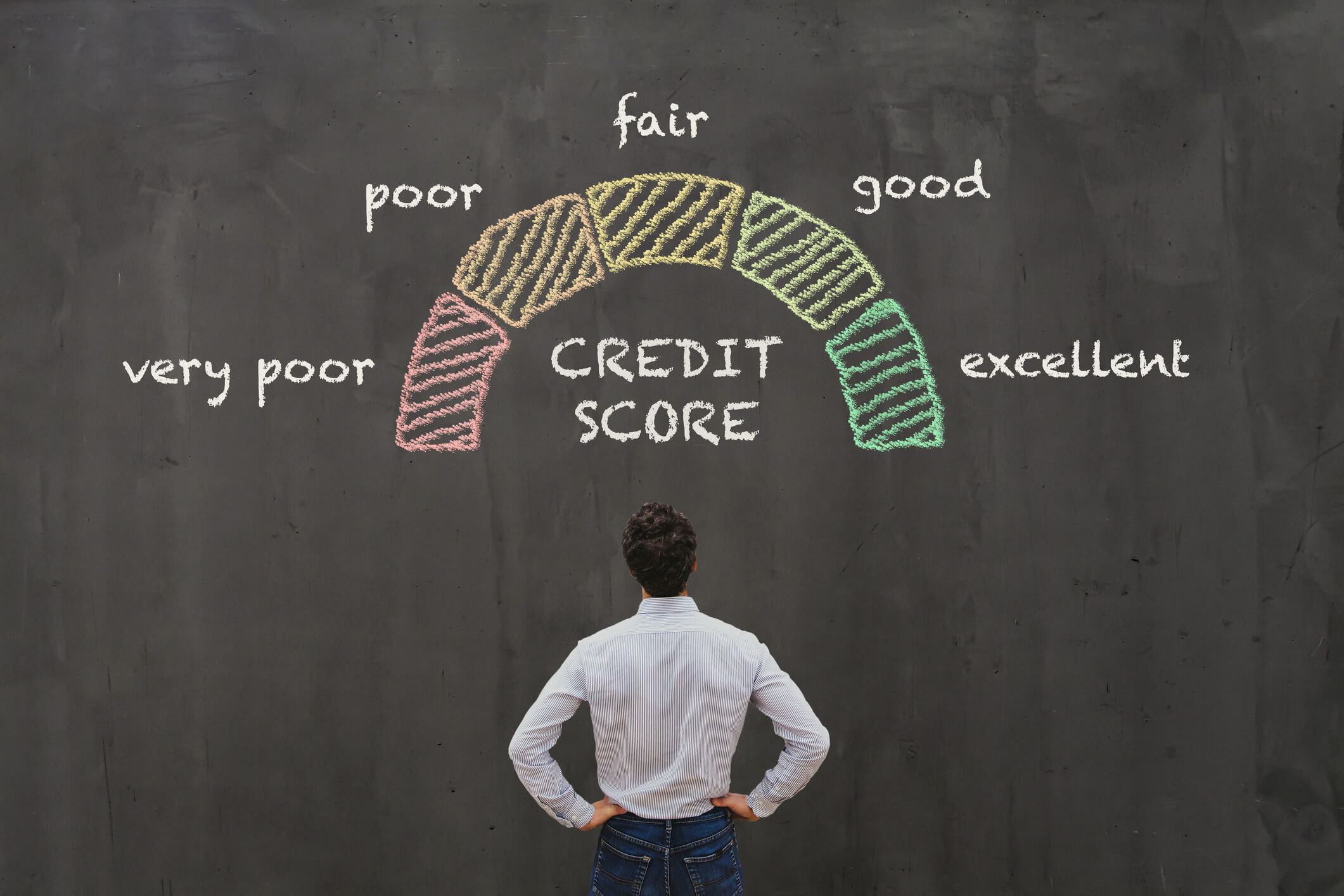
3 Things That Hurt Your Credit Score (and How to Fix Them)
The three main things that hurt your credit score are late or missed payments, high credit utilization or maxed-out cards, and negative credit events like collections, charge-offs, and bankruptcy—each can significantly drop your score and make borrowing more expensive. Below, you’ll learn exactly how these factors damage your credit, how quickly they can do it, and the step-by-step actions you can take to protect and rebuild your rating.
Here’s a stat that stops most people in their tracks: payment history alone accounts for 35% of your FICO Score, and amounts owed (which includes credit utilization) adds another 30%—meaning two categories drive 65% of your score. In my 20+ years as CEO of Complete Controller, I’ve helped thousands of individuals and small business owners across nearly every industry untangle credit issues that felt impossible—from single late payments that tanked a mortgage approval to charge-offs that blocked business financing. In this guide, I’ll walk you through what actually causes score damage, share a founder’s playbook for recovery, and give you practical strategies you can apply this month to build a credit profile lenders trust.
What are the things that hurt your credit score and how do you fix them?
- The biggest things that hurt your credit score are late payments, high credit utilization, and negative credit events like collections, charge-offs, and bankruptcy—fixed by paying on time, lowering balances, disputing errors, and rebuilding positive history.
- Late payments damage your payment history, the single most important scoring factor, and even one 30-day late can cause a big drop.
- High credit utilization and maxed-out cards signal overextension; keeping usage below 30% per card protects your score.
- Negative credit events like collections and bankruptcy can drop scores 100+ points and stay on reports for years.
- Credit report errors and unnecessary hard inquiries quietly hurt scores—regular credit monitoring catches problems early.

Late Payments: Why Payment History Hurts Your Credit Score First
Late payments are the single most damaging everyday behavior among the things that hurt your credit score, and they leave the longest-lasting fingerprint on your report.
How payment history drives your score
Payment history is roughly 35% of your FICO Score, making it the biggest of all credit score factors (FICO). Even one payment reported 30 days late can drop a strong score by dozens of points—and for high scores above 780, a single late has been reported to cause 90–110 point declines. Longer delinquencies (60, 90, or 120 days) compound the damage and can eventually be reported as defaults.
What lowers your credit score fast?
- Missing a payment entirely or paying 30+ days late
- Letting accounts slide to 60–90 days past due
- Ignoring creditor notices until the debt moves to collections
How to improve your credit score after late payments
- Bring accounts current immediately—lenders typically don’t report until you’re 30 days late, so acting fast can prevent reporting.
- Set up autopay for at least the minimum on every account to eliminate accidental slips.
- Ask for a goodwill adjustment if you have a strong history and one isolated miss.
- Stabilize for 12 months—recent history weighs more heavily, so a year of perfect payments accelerates recovery. For a deeper framework, see our guide on how to manage your credit responsibly.
High Credit Utilization and Maxed-Out Cards: The Silent Score Killer
Even if you never pay late, high credit utilization can quietly pull your score down. This is one of the most misunderstood things that hurt your credit score because people assume paying on time is enough.
How Credit Utilization Works
Credit utilization accounts for roughly 30% of most scoring models and measures how much of your revolving credit you’re using relative to your limits (CFPB). Lenders see high usage as a sign of overdependence and elevated risk—regardless of whether you’re paying on time.
Maxed Out Credit Cards Impact
Cards near or at their limits are a strong negative signal. Guidance generally suggests keeping utilization below 30% overall and under 10% for optimal scores. Utilization is calculated both per card and across all accounts, so one maxed card can hurt you even when your total looks healthy.
Credit Utilization Tips to Raise Your Score
- Pay down high-utilization cards first—target the ones above 80% before moving to lower-balance accounts.
- Request limit increases without adding new charges to instantly lower your ratio.
- Time payments before statement dates, since issuers typically report the statement balance to bureaus.
- Spread balances strategically so no single card exceeds 30%. Explore how strategic borrowing works in our overview of personal lines of credit.
Collections, Charge-Offs, and Bankruptcy: Negative Credit Events That Linger
Some negative credit events don’t just dent your score—they reshape your credit profile for years. According to the Consumer Financial Protection Bureau, a card issuer generally charges off credit card debt after 180 days of non-payment, meaning late payments can quietly escalate into a charge-off even while the lender is still calling (CFPB).
What Counts as Major Negative Credit Events
- Collection accounts: Debts sold to third-party collectors after significant non-payment.
- Charge-offs: Creditors write off the account as a loss, typically around 180 days past due.
- Bankruptcy: Chapter 7 can remain on your report for up to 10 years; Chapter 13 for up to 7 years (FTC).
- Foreclosures and repossessions also register as severe derogatory items.
Case Study: Late Payments Escalating into Collections
A consumer with a strong 780+ credit score missed payments on a revolving account, letting delinquency reach 90+ days before it moved to collections. The score dropped over 100 points, and even after paying the collection, the consumer struggled to qualify for new credit for two years. The lesson: acting before day 90 could have prevented nearly all the damage.
How to Rebuild After Negative Credit Events
- Resolve or settle the debt—paid collections are treated more favorably in newer scoring models.
- Negotiate reporting terms before you pay; some collectors will agree to update reporting status.
- Use a secured credit card wisely to rebuild positive payment history with a low-risk account.
- Add positive tradelines gradually so on-time payments dilute the impact of old negatives.
The Hidden Threat: Credit Report Errors and Hard Inquiries
Most guides skip past two quiet score killers: credit report errors and unnecessary hard inquiries. Both are fixable once you know what to look for.
Credit Report Errors: Credit Score Impact
Incorrect late payments, wrong balances, duplicate accounts, and debts that aren’t yours can all lower your score. Reviewing all three bureau reports annually and disputing inaccuracies promptly protects your rating from damage you didn’t cause.
Does Checking Your Credit Score Hurt Your Credit?
No. Checking your own score is a soft inquiry and does not affect your credit. Only hard inquiries—triggered when you actively apply for new credit—can lower your score, usually by a few points each. Multiple hard inquiries in a short window compound the impact and make you look like you’re chasing credit.
Practical Credit Monitoring Strategies
- Pull reports from all three major bureaus at least once a year.
- Use credit monitoring tools that alert you to new accounts and inquiries.
- Dispute inaccuracies with documentation—corrected errors can restore lost points.
A Founder’s Playbook: Turning Credit Mistakes into a Stronger Profile
Most articles stop at listing the things that hurt your credit score. Here’s the structured recovery path I use with clients:
- Stabilize payment history—bring all accounts current, set up autopay, calendar every due date.
- Lower utilization strategically—target the highest-usage cards first and pause new discretionary charges.
- Clean up your reports—pull all three bureaus, flag errors and outdated negatives, file disputes.
- Rebuild with intentional accounts—a secured card used at under 10% utilization builds history fast.
- Protect your progress—monitor monthly, reassess debt-to-income annually, and align credit behavior with upcoming goals.
Over the years, I’ve watched clients move from credit crisis to qualifying for home purchases and business financing in as little as 18–24 months by following this exact sequence. For business owners, credit health and cash flow are deeply connected—see how we approach that link in our guide on efficient business finance management.
Conclusion: You Can Recover—and Build a Credit Score That Works for You
Credit can feel unforgiving—late payments, high utilization, and negative credit events can knock your score down fast—but with the right information and consistent action, you can repair the damage and build a stronger profile than you had before. The people who win with credit aren’t perfect; they’re intentional, informed, and proactive about fixing mistakes early.
If you’re ready to take control of your credit and the financial systems behind it, visit Complete Controller to learn how our team can support you with clear bookkeeping, better cash flow visibility, and practical guidance that keeps your credit and finances working in sync.

Frequently Asked Questions About Things That Hurt Your Credit Score
What are the most common things that hurt your credit score?
The most common culprits are late or missed payments, high credit utilization or maxed-out cards, and major negative credit events like collections, charge-offs, and bankruptcy.
How quickly can late payments lower my credit score?
A payment reported 30 days late can drop a strong score by dozens of points, and scores above 780 have been reported to fall 90–110 points from a single late payment.
Does checking my credit score hurt my credit?
No. Checking your own report is a soft inquiry and does not affect your score. Only hard inquiries from new credit applications cause small declines.
What lowers your credit score fast besides late payments?
Maxed-out cards, sudden utilization spikes, new collections, charge-offs, and bankruptcy filings can all trigger fast, significant score drops.
How can I improve my credit score after late payments or collections?
Bring all accounts current, automate payments, lower utilization, resolve or settle collections, dispute report errors, and rebuild with a secured card and 12–24 months of on-time payments.
Sources
- Equifax. (June 28, 2026). “Five Things That May Hurt Your Credit Scores.” https://www.equifax.com
- Crediful. (September 20, 2025). “25 Things That Hurt Your Credit Score (and How to Avoid Them).” https://www.crediful.com
- Experian. (July 30, 2025). “What Affects Your Credit Scores?” https://www.experian.com
- Fair Isaac Corporation (FICO). “What’s in my FICO® Scores?” https://www.myfico.com/credit-education/whats-in-your-credit-score
- Consumer Financial Protection Bureau. “What is a charge-off?” https://www.consumerfinance.gov/ask-cfpb/what-is-a-charge-off-en-1393/
- Consumer Financial Protection Bureau. “What is a credit score?” https://www.consumerfinance.gov/ask-cfpb/what-is-a-credit-score-en-315/
- Consumer Financial Protection Bureau. “What is credit utilization?” https://www.consumerfinance.gov/ask-cfpb/what-is-credit-utilization-en-314/
- Federal Trade Commission. “How Long Can Information Stay on My Equifax Credit Report?” https://consumer.ftc.gov/articles/how-long-can-information-stay-my-equifax-credit-report#bankruptcy
- Federal Trade Commission. “Free Credit Reports.” https://www.consumer.ftc.gov/articles/0155-free-credit-reports
- Complete Controller. “How to Manage Your Credit Responsibly.” https://www.completecontroller.com/how-to-manage-your-credit-responsibly/
- Complete Controller. “Personal Lines of Credit.” https://www.completecontroller.com/personal-lines-of-credit/
- Complete Controller. “Efficient Business Finance Management.” https://www.completecontroller.com/efficient-business-finance-management/
 About Complete Controller® – America’s Bookkeeping Experts Complete Controller is the Nation’s Leader in virtual bookkeeping, providing service to businesses and households alike. Utilizing Complete Controller’s technology, clients gain access to a cloud platform where their QuickBooks™️ file, critical financial documents, and back-office tools are hosted in an efficient SSO environment. Complete Controller’s team of certified US-based accounting professionals provide bookkeeping, record storage, performance reporting, and controller services including training, cash-flow management, budgeting and forecasting, process and controls advisement, and bill-pay. With flat-rate service plans, Complete Controller is the most cost-effective expert accounting solution for business, family-office, trusts, and households of any size or complexity.



 Brittany McMillen
Brittany McMillen
Brittany McMillen